~/richi.codes $ ls lab
Learning by building, in the open.
Richi Gallego's second brain and code lab: working prototypes, automated technical notes and a new game every day. Stuck on a problem with your website or your code? You can write to me.

- technical notes published
- 67
- games to play
- 18
- radar editions
- 11
- years writing code
- 20+


Experiments
Things I build to understand how they work. All of them are live and you can play with them.
One a day
The game shelf
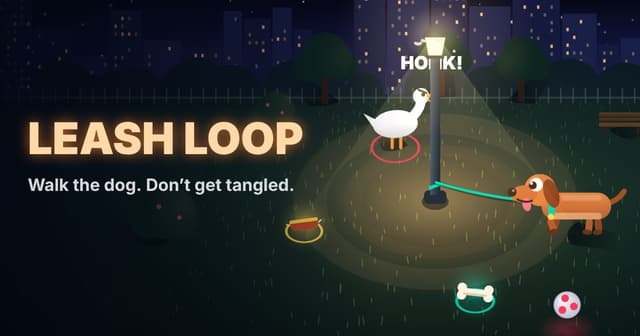
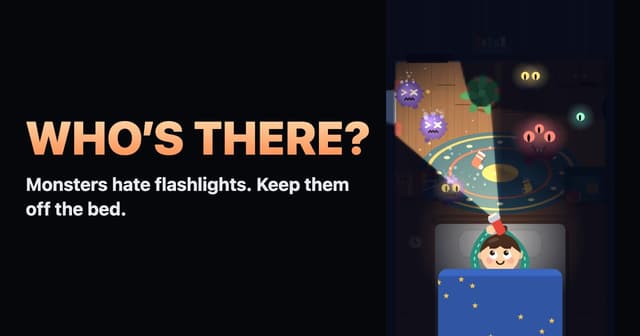
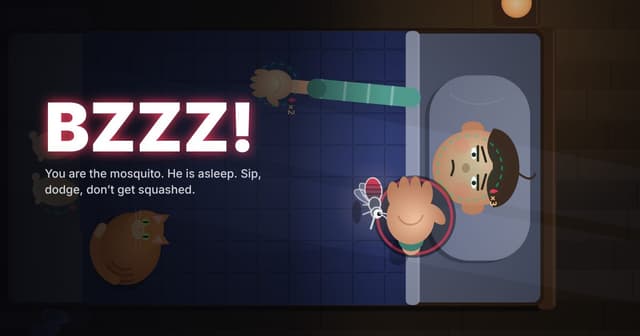
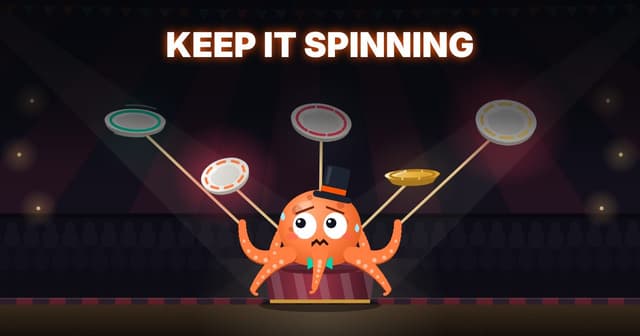
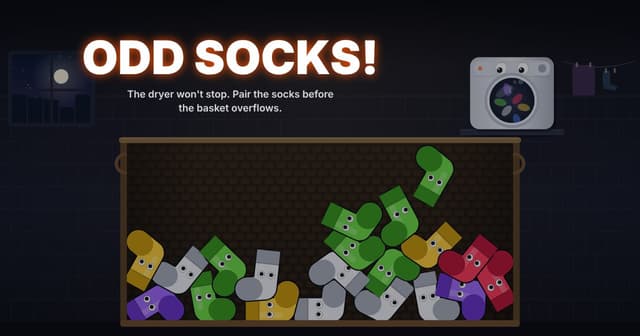
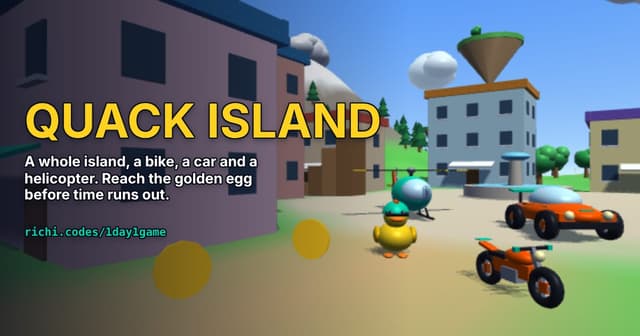
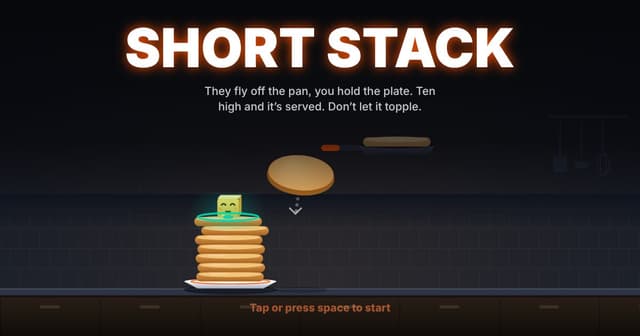
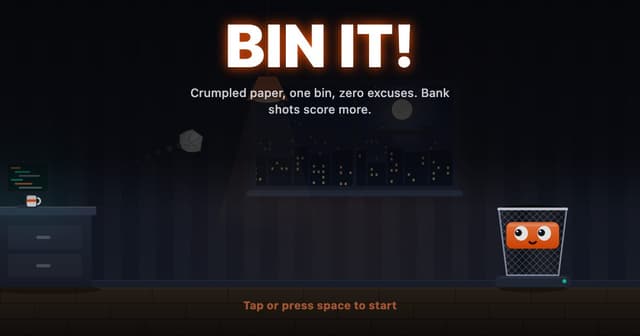
18 pocket games, each one invented, playtested and shipped by an agent on its day. Scroll the shelf, pick one, play.










Schedule a weather alert
A Web Push experiment: install the PWA on your phone, pick a place and a time, and an n8n workflow sends you the forecast right then.
Step 1 · on your phone
Open this page on your phone and enable it there: the notification goes to that device, not this one.
Step 2 · schedule the alert
The honest friend
That friend who looks at your website and tells you what's wrong, no sugar-coating. It may sting, but better to hear it from them than from a client, from Google or from a user who leaves and never comes back.
- 01 · Reads the public HTML of the page you give it.
- 02 · An AI (Gemini) reviews it like a friend would, not like a salesperson.
- 03 · Asks for no email or personal data: the result shows up right here.
Second brain
67 technical notes connected by topic. Search, or tap a node in the graph to filter.
For now most notes are in Spanish; English ones are on the way.
67 notes
- The game shelf: a CSS coverflow with view-timeline26 Nov 2026 · made-here, css
- CSS round(), mod(), rem(): snap anything to a grid25 Nov 2026 · css, math
- CSS revert-rule: undo one rule, not the whole layer24 Nov 2026 · css, cascade
- Typed CSS attr(): HTML attributes that style anything23 Nov 2026 · css, attr
- Week in the lab: seven games chasing the light22 Nov 2026 · week-in-review, gamedev
- Intl.Locale info: the browser knows your week21 Nov 2026 · javascript, i18n
Each line joins two topics that show up together in a note.
Frontend & UX/UI trend radar
The CSS Working Group publishes the first draft of pointer-driven animations, a technique for moving elements between anchors, the security warnings you never see when installing dependencies, and what Svelte announced for its tenth anniversary.
Pointer-driven animations
On November 24 the CSS Working Group published the First Public Working Draft of Pointer-driven Animations Level 1: animations whose progress follows the pointer position over an element or the viewport, using pointer-timeline, the pointer() function for animation-timeline and the PointerTimeline interface. It mirrors the scroll-driven animations model (named timelines, fill, fit, cover and contain ranges), but it is a first draft and may change.
Moving elements between anchors
Preethi Sam shows (November 25) how to reassign an element's anchor during an animation to create waypoints: a logo that travels around a heading, to-dos that fly into a trash icon when checked (with anchor-scope per li) and an indicator that jumps to the selected option. She notes that Firefox updates the anchor but does not yet do the smooth transition.
The npm audits you never see
Zach Leatherman explains (November 24) that npm audit does not check the dependencies Next.js bundles inside its dist folder: in Next.js 16.4.6 he counts 139, with 19 high and 3 critical vulnerabilities that go unreported. On top of that, several create- tools (Gatsby, Astro, TanStack, Preact, Nuxt, Angular, Svelte) hide or clear the audit output, and pnpm and yarn don't show it after installing.
Svelte turns ten
Rich Harris sums up (November 25) what was announced at Svelte Summit in Ljubljana: custom renderers behind an experimental flag (native apps, terminal UIs, PDFs), Async Svelte heading to production readiness, vite-devtools-svelte with an MCP server on the way to 1.0, rsvelte (a Rust toolchain, not ready yet) and mdsvex 1.0.

About this lab
I'm Richi Gallego and I've been programming for over twenty years. This site is my notebook: I build whatever makes me curious, leave it running and write down what I learn along the way.
- Everything published here works and you can try it. If it breaks, that is part of the experiment too.
- The notes and the radar are written by an AI pipeline, and every piece says so.
- No courses or subscriptions here. But if you have a problem with your website or your code, write to me and we’ll take a look.
Want to tell me something?
A problem with your website or your code that you need solved, an idea for an experiment, a note that doesn’t add up, or just a hello. I read it myself, no bots in between.
Email is optional, but if you need a hand, leave it so I can reply.